





Your shopping cart is currently empty.
BC Fire Extinguishers
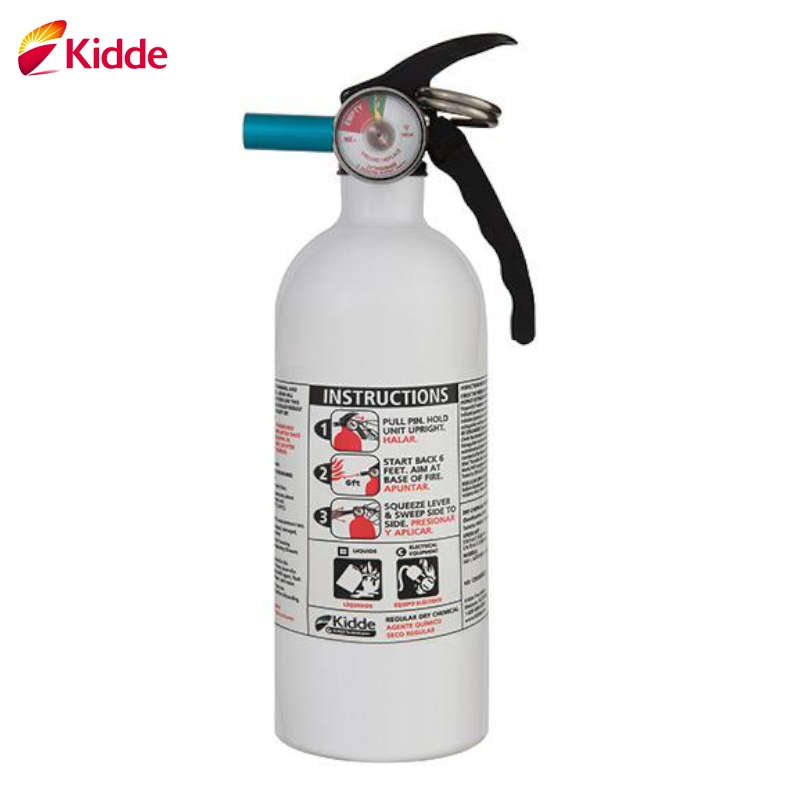
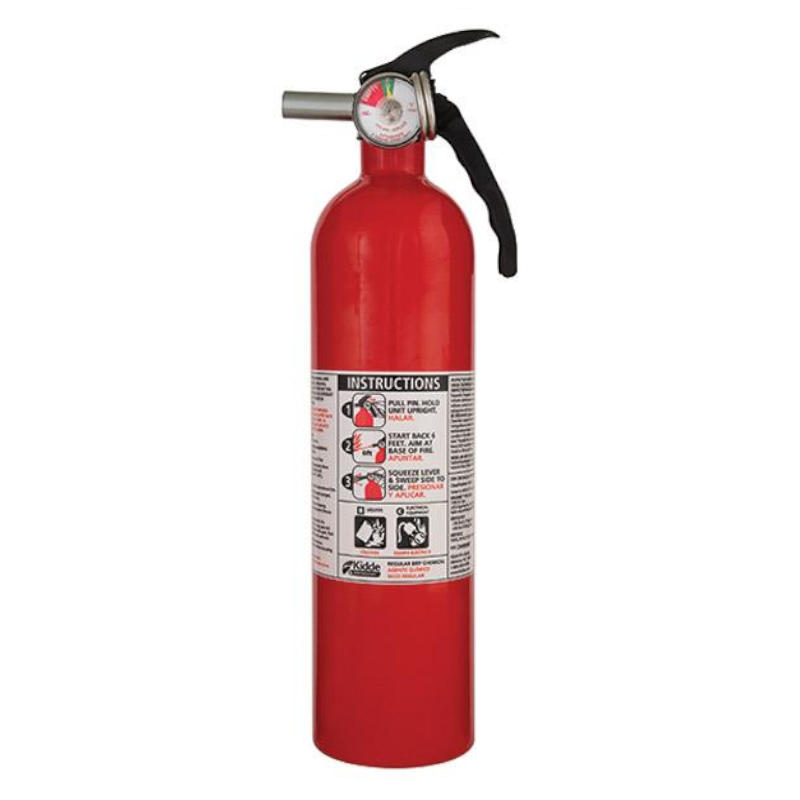
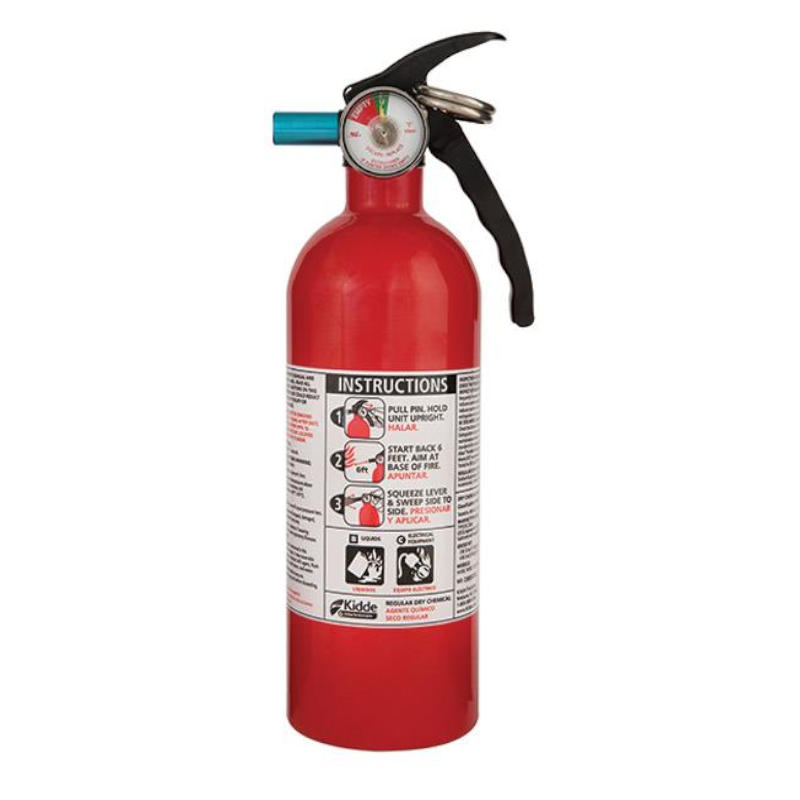
 BC fire extinguishers are designed for Class B flammable-liquid
fires and Class C hazards involving energized electrical equipment. They are commonly
used in vehicles, garages, maintenance areas, mechanical spaces, marine applications
and other locations where ordinary combustible Class A protection may not be required.
BC fire extinguishers are designed for Class B flammable-liquid
fires and Class C hazards involving energized electrical equipment. They are commonly
used in vehicles, garages, maintenance areas, mechanical spaces, marine applications
and other locations where ordinary combustible Class A protection may not be required.
Select Safety Sales offers BC fire extinguishers for commercial, industrial, fleet and facility applications, including compact disposable units and larger rechargeable models.
Compare the B:C rating, capacity, construction and mounting configuration to select the right BC extinguisher for your application.
BC Fire Extinguishers for Flammable Liquid & Electrical Hazards
BC fire extinguishers are designed for fires involving Class B flammable liquids and Class C energized electrical equipment. They are commonly selected for locations where gasoline, oil, solvents, fuels, electrical equipment and similar hazards may be present.
Unlike multipurpose ABC extinguishers, BC extinguishers do not carry a Class A rating for ordinary combustible materials such as wood, paper or cloth. This makes them a more specialized choice for vehicles, garages, mechanical areas, marine applications and selected industrial environments.
What Fires Are BC Extinguishers Designed For?
| Fire Class | Hazard | Typical Examples |
|---|---|---|
| Class B | Flammable and combustible liquids | Gasoline, oils, solvents, paints, lacquers and similar liquid fuels |
| Class C | Energized electrical equipment | Electrical panels, motors, wiring, machinery and energized equipment |
Important:
A BC extinguisher is not intended for Class A ordinary combustible hazards unless the extinguisher also carries a Class A rating. Evaluate the actual hazards present before selecting an extinguisher.
A BC extinguisher is not intended for Class A ordinary combustible hazards unless the extinguisher also carries a Class A rating. Evaluate the actual hazards present before selecting an extinguisher.
Where Are BC Fire Extinguishers Commonly Used?
BC extinguishers are especially useful where flammable-liquid and energized-electrical hazards are more prominent than ordinary combustible materials.
- Commercial and fleet vehicles
- Garages and vehicle service areas
- Marine and boating applications
- Mechanical and equipment rooms
- Fuel storage and dispensing areas
- Maintenance shops
- Workshops
- Electrical equipment areas
- Industrial machinery locations
- Selected warehouse and service environments
How to Choose a BC Fire Extinguisher
Compare the B:C Rating
BC extinguishers are commonly identified by ratings such as 5-B:C, 10-B:C, 20-B:C, 40-B:C and higher. The B rating relates to the extinguisher's tested effectiveness on Class B flammable-liquid fires, while the C designation indicates that the extinguishing agent is suitable for use around energized electrical equipment.
OSHA explains that the number preceding the Class B rating represents the approximate square footage of a Class B fire that a non-expert user should be able to extinguish under test conditions. :contentReference[oaicite:2]{index=2}
Consider Size & Capacity
Smaller BC extinguishers are often chosen for vehicles, boats and compact locations, while larger rechargeable models can provide greater agent capacity and higher fire ratings for commercial or industrial hazards.
| BC Extinguisher Type | Common Application | What to Consider |
|---|---|---|
| Compact / Disposable BC | Vehicles, boats, garages and smaller spaces | Compact size, bracket type, rating and whether the unit is rechargeable |
| Rechargeable Portable BC | Commercial, industrial and maintenance environments | Higher capacity, serviceability and mounting requirements |
| Larger-Capacity BC | Higher-hazard industrial applications | Agent capacity, B rating, handling weight and discharge characteristics |
BC vs. ABC Fire Extinguishers
BC and ABC extinguishers overlap on Class B and Class C hazards, but ABC extinguishers also provide protection for Class A ordinary combustibles.
| Feature | BC Fire Extinguisher | ABC Fire Extinguisher |
|---|---|---|
| Class A | No | Yes |
| Class B | Yes | Yes |
| Class C | Yes | Yes |
| Common Uses | Vehicles, garages, marine, electrical and fuel-related hazards | General commercial, industrial and facility protection |
| Best Choice When | Class B and C hazards are the primary concern | Class A hazards are also present |
Class B Placement & Travel Distance
For workplaces covered by OSHA's portable-fire-extinguisher requirements, Class B extinguishers must be distributed so employees do not have to travel more than 50 feet from the Class B hazard area to reach an extinguisher. Class C extinguisher placement follows the appropriate pattern for the underlying Class A or Class B hazard. :contentReference[oaicite:3]{index=3}
Actual extinguisher quantity, rating and placement should be determined from the hazard level, applicable fire-code requirements and facility layout.
BC Fire Extinguishers for Vehicles & Fleet Applications
Compact BC extinguishers are commonly used in fleet vehicles, service trucks, work vehicles and other mobile applications where fuel and energized electrical components may be the primary fire hazards.
When choosing a vehicle extinguisher, consider the extinguisher rating, physical size, mounting bracket and whether the bracket is designed to secure the extinguisher under vibration and vehicle movement.
BC Fire Extinguishers for Marine Applications
BC extinguishers are also commonly used in marine environments because fuel and electrical hazards are frequently present. Marine applications may have specific extinguisher and mounting requirements, so the individual product's approvals and manufacturer specifications should be reviewed before selection.
BC Fire Extinguisher Inspection & Maintenance
Workplace fire extinguishers should remain fully charged, operable and readily accessible. OSHA requires portable extinguishers covered by 29 CFR 1910.157 to be visually inspected monthly and receive an annual maintenance check. :contentReference[oaicite:4]{index=4}
Routine visual checks should include:
- Confirming the extinguisher remains in its designated location.
- Making sure access is not obstructed.
- Checking the pressure indicator when equipped.
- Verifying the pull pin and tamper seal are intact.
- Inspecting the cylinder, valve, hose and nozzle for damage or corrosion.
- Confirming operating instructions remain legible.
- Checking that the wall hook or vehicle bracket is secure.
Bulk & Quantity BC Fire Extinguisher Orders
Need BC fire extinguishers for a fleet, facility or multi-location project? Select Safety Sales can supply larger commercial orders and quantity purchases of many BC extinguisher models.
We work with fleet operators, contractors, government agencies, industrial facilities and other organizations requiring multiple fire extinguishers.
Call 866-864-3495 for quantity pricing, availability and shipping options.
Frequently Asked Questions About BC Fire Extinguishers
What does BC mean on a fire extinguisher?
BC indicates that the extinguisher is rated for Class B flammable-liquid fires and Class C hazards involving energized electrical equipment.
Can a BC extinguisher be used on wood or paper fires?
A BC-only extinguisher does not carry a Class A rating. If ordinary combustible materials such as wood, paper or cloth are part of the hazard, an extinguisher with an appropriate Class A rating should be considered.
What is the difference between 5-B:C and 10-B:C?
The number preceding the B indicates the extinguisher's tested Class B firefighting capability. A higher B rating represents greater tested effectiveness against flammable-liquid fires. :contentReference[oaicite:5]{index=5}
Are BC extinguishers good for vehicles?
BC extinguishers are commonly used in vehicles because they address flammable-liquid and energized-electrical hazards. The extinguisher's rating, size, mounting bracket and any applicable vehicle requirements should be considered.
Can BC extinguishers be used around electrical equipment?
Yes. A Class C rating indicates that the extinguishing agent is suitable for use on fires involving energized electrical equipment. Once electrical power is removed, the remaining fuel determines the underlying fire class.
Are BC fire extinguishers rechargeable?
Some BC extinguishers are rechargeable and designed for ongoing commercial service, while others are disposable. Check the individual product specifications before purchasing.
How often should a BC fire extinguisher be inspected?
For workplaces subject to OSHA 29 CFR 1910.157, portable fire extinguishers must be visually inspected monthly and receive an annual maintenance check. :contentReference[oaicite:6]{index=6}
Need Help Selecting a BC Fire Extinguisher?
BC extinguishers can look very similar even when their fire ratings, capacities and intended applications differ.
Select Safety Sales can help commercial, industrial, fleet and institutional buyers compare BC extinguishers based on the hazard, B:C rating, capacity, mounting requirements and product specifications.
Call Select Safety Sales at 866-864-3495 for product assistance or quantity pricing.
